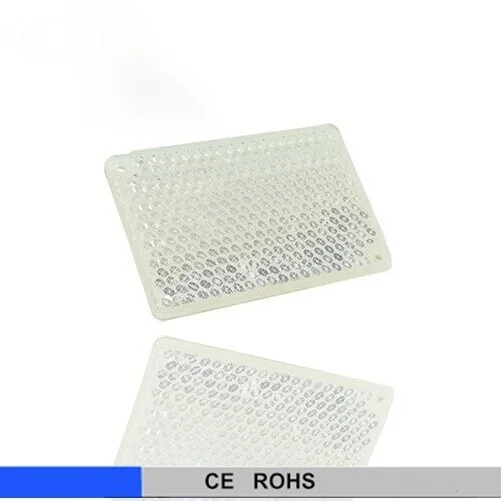
About the Mirror TD-03 photoelectric sensor mirror reflector
The Mirror TD-03 photoelectric sensor mirror reflector is part of the ELEHPD TD Reflector range. Photoelectric sensor mirror reflector TD-03 SIZE: 81 X 57 TD Mirror Reflector Plate and Working Principle With the built-in polarization filter and retro-reflective characterists, the retro-reflective type photoelectric sensor only receive the beam returned from the reflector plate. ELEHPD manufactures and exports low voltage electrical products from Yueqing, Zhejiang, China, supplying distributors, panel builders, M&E contractors and OEM buyers worldwide.
Typical applications
- Motor control centres and pump or fan starters
- Machine building, conveyors, packaging and CNC equipment
- HVAC control panels and building automation
- Water treatment, irrigation and pumping stations
- Panel retrofits replacing electromechanical control gear
How to specify the right TD Reflector
- Size the contact rating for the inductive load, not just the resistive current (AC-3 duty for motors)
- Check the coil voltage and frequency available in the panel: 24 V DC, 110 V, 230 V or 400 V AC
- Confirm the auxiliary contact count needed for the control and indication circuit
- Match the enclosure rating to the environment (IP20 inside a panel, IP65 on the machine)
Specifications
photoelectric sensor mirror reflector TD-03
SIZE: 81 X 57
TD Mirror Reflector Plate and Working Principle
With the built-in polarization filter and retro-reflective characterists, the retro-reflective type photoelectric sensor only receive the beam returned from the reflector plate.
Frequently asked questions about the Mirror TD-03 photoelectric sensor mirror reflector
What is the difference between a contactor and a relay?
A contactor is built for switching power circuits repeatedly at high current, often with motor duty ratings (AC-3) and arc-suppressing chambers. A relay switches control signals at low current. In practice: contactor for the motor, relay in the control circuit that drives the contactor coil.
How do I calculate the correct contactor size for a motor?
Use the motor's full-load current, apply the AC-3 rating for the operating voltage, and allow for the number of starts per hour. As a rule of thumb, the contactor's AC-3 rating should be at least equal to the motor FLC, then step up one frame if the duty is heavy.
Do you supply the coil voltage I need?
Coil voltages are specified per order. Send the model number, coil voltage and frequency you require and we will confirm availability and lead time.
Are auxiliary contacts included?
Base models come with the standard auxiliary contact configuration for that frame. Add-on auxiliary blocks and mechanical interlocks can be quoted with the contactor.
Further reading