Global Trade · Reliable Power Solutions E-mail: [email protected]
Electrical Items › ELCB

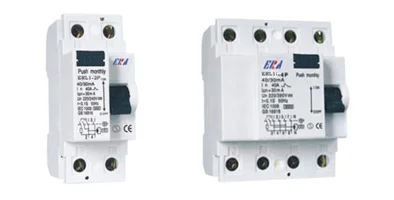
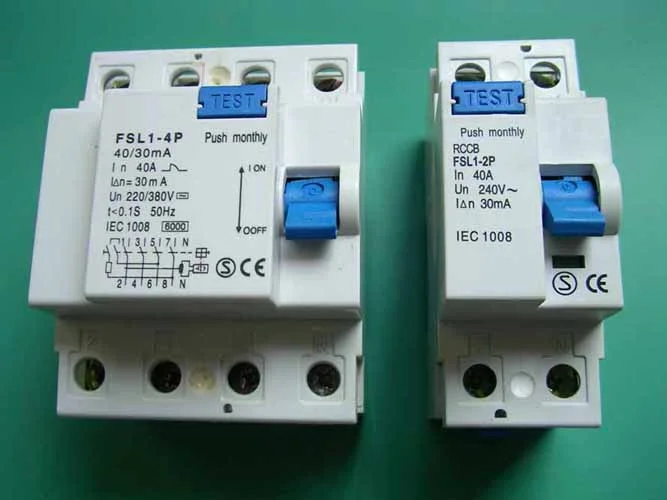
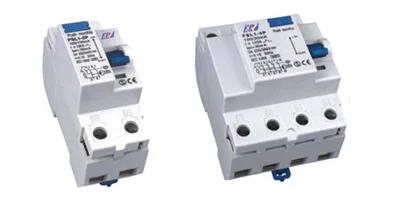
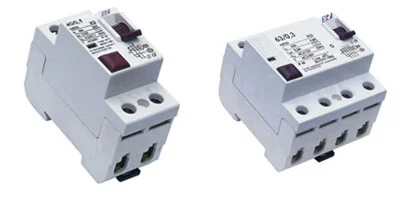
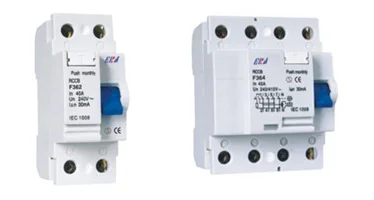
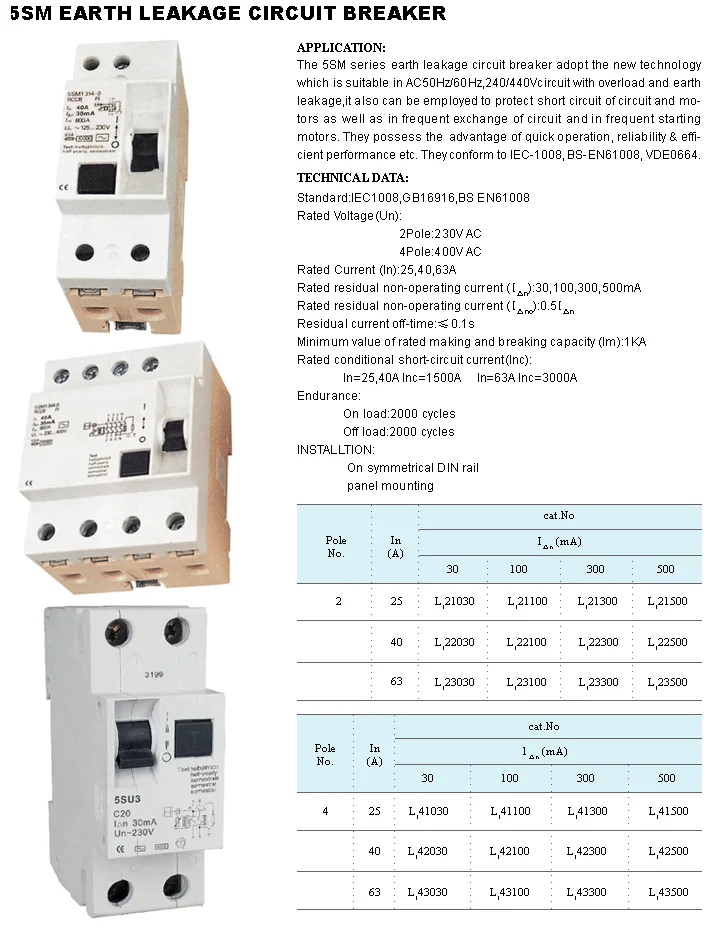
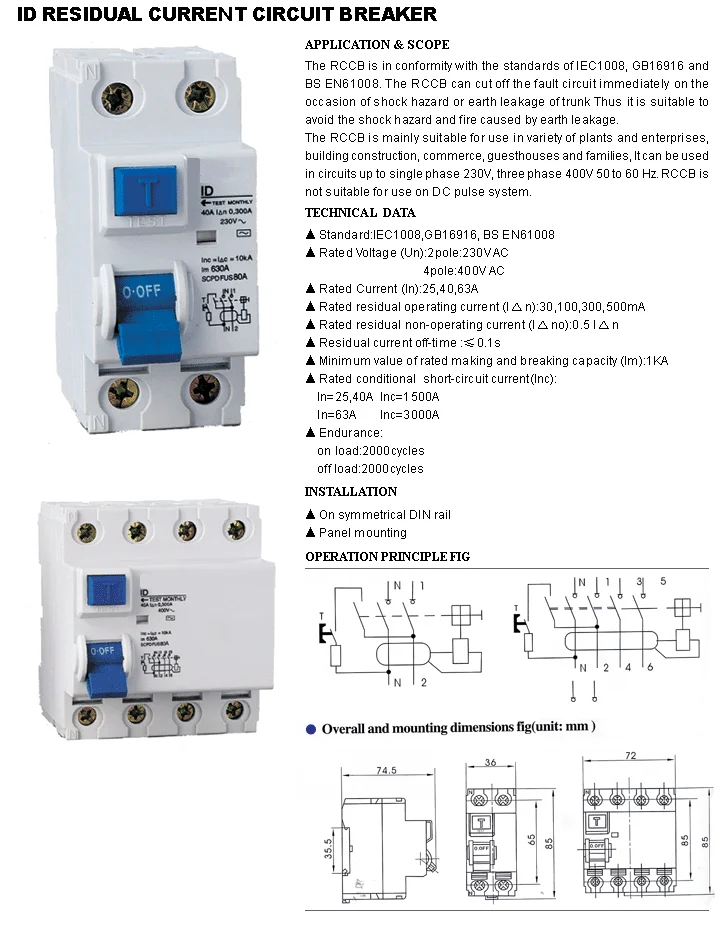
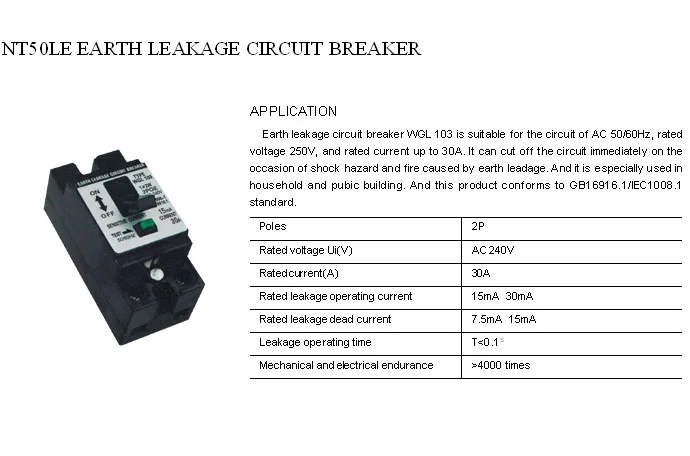
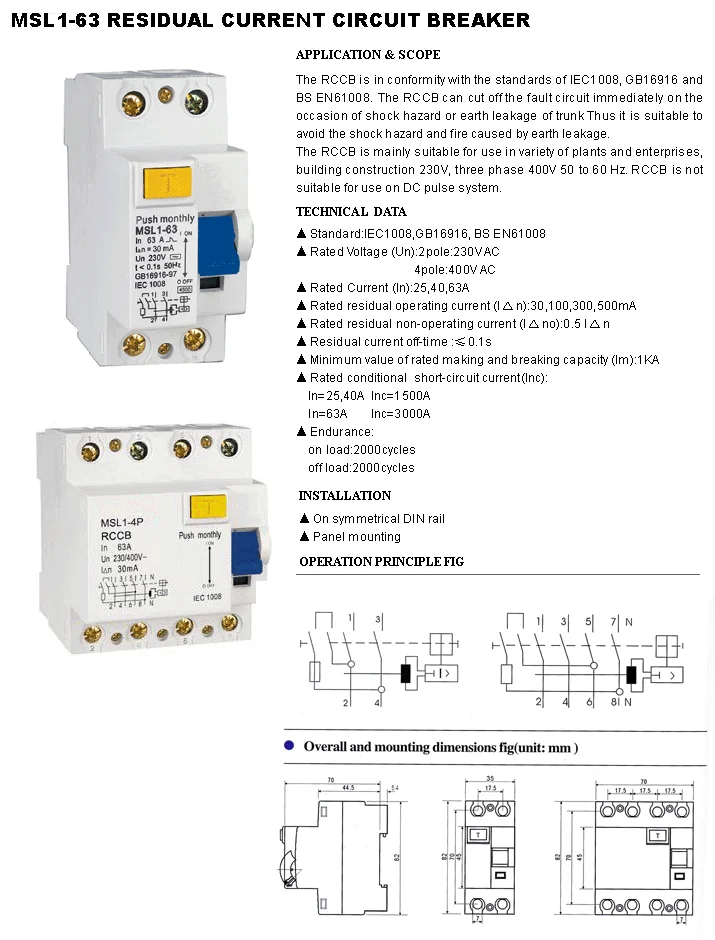
FSL1 RCCB

FSL1 RCCB from the ELEHPD ELCB range.

  • Category: Electrical Items › ELCB
  • Model: 46
  • Brand / OEM: ELEHPD — OEM branding available
  • Export: Worldwide, FOB Ningbo / Shanghai
Request a quotation for this ELCB

About the FSL1 RCCB

The FSL1 RCCB is part of the ELEHPD ELCB range. FSL1 RCCB from the ELEHPD ELCB range. ELEHPD manufactures and exports low voltage electrical products from Yueqing, Zhejiang, China, supplying distributors, panel builders, M&E contractors and OEM buyers worldwide.

Typical applications

How to specify the right ELCB

  1. Match the rated current to the circuit design current, then check the cable ampacity
  2. Pick the trip curve to the load: B for resistive/lighting, C for general mixed loads, D for motors and transformers
  3. Confirm the breaking capacity meets the prospective short-circuit current at the point of installation
  4. Verify the pole configuration (1P, 1P+N, 2P, 3P, 3P+N, 4P) against the system earthing arrangement

Specifications


Usage   
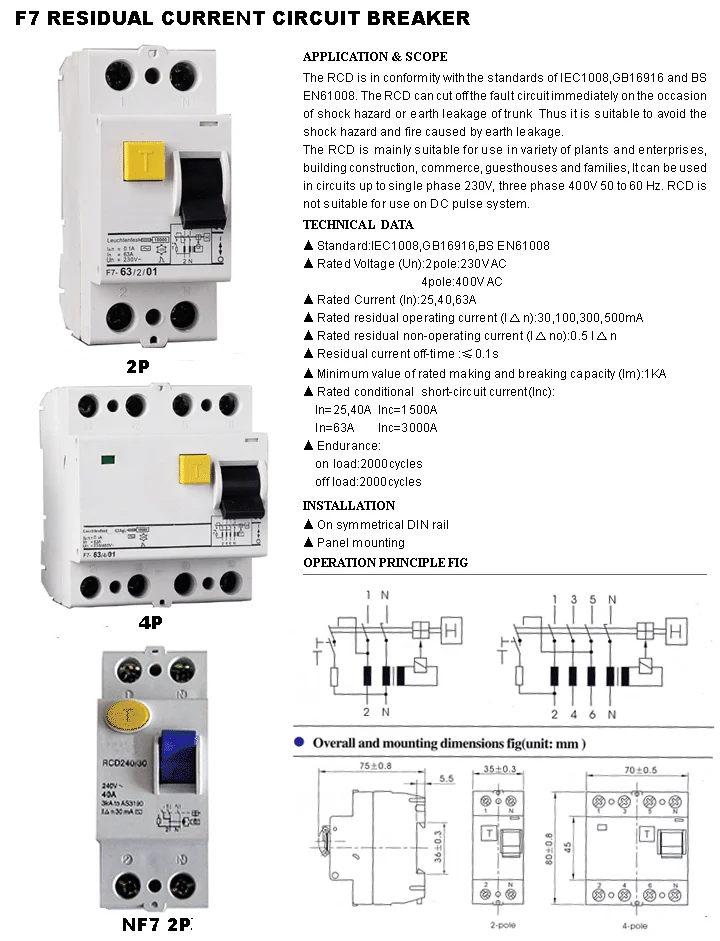
   Type FSL1 (ERL1) Residual Current Circuit Breaker without Over current protection conforms to the standards of GB16916.1、IEC61008、BS4293 etc. It is used in the circuits of AC 50~60HZ, single phase 230V(220V), three phases 400V (380V) in industrial & mining enterprises,Commercial buildings and housing for protection of personal electric shock hazard and electric equipment and for unfrequent switchover of circuits under normal conditions.

   
Normal Operation Conditions

1 Ambient Air temperature: Ambient air temperature ranges from -5℃~40℃, not exceeding 35℃ averagely in 24 hours.
2 Location: Installation location can not exceed 2000 meters above sea level.
3 Air conditions: Relative humidity in the installation place can not exceed 50% when
the air reaches the highest temperature 40℃, the average minimum temperature when it is the wettest can not exceed 25℃. Relative humidity not exceeding 90%.
4 Installation Classification: Installation is divided into grade Ⅱ,grade Ⅲ.
5 Installation Pollution Grade: Installation pollution grade is grade Ⅱ.
6 Installation Type: It can be mounted with standard railway.
7 Installation Conditions: Magnetic field outside the installation place can not exceed 5 times of the site of terrestrial magnetism in all direction. Normally speaking, RCCB should be mounted vetically. If the operation handle puts through power source upward, there should be no notable ompact and vibration in the installation place.
8 Connection: It can be connected with screws or busbar.


Structure and operatin principle

1 Structure
  Type FSL1 Residual Current Circuit Breaker consists of zerophase sequence current transformer, electromagnetic release, operation device, contactor system, arc-extinguishing device, insulation shell etc.


2 Operation principle
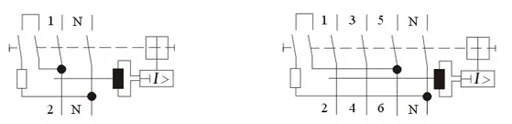
  When the circuit works normally, residual current operated circuit breaker is in“on”position. when leakage or electric shock hazard occurs in the circuit, the current transformer puts out a signal to make electromagnetic release work, and cut off power source within 0.1 second to prevent leakage.

Operation principle figure

 
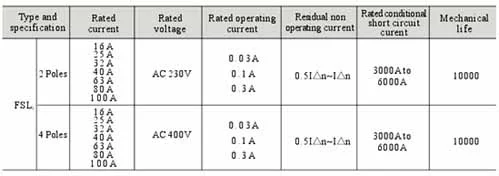
Type、Specification、Technical parameter
 
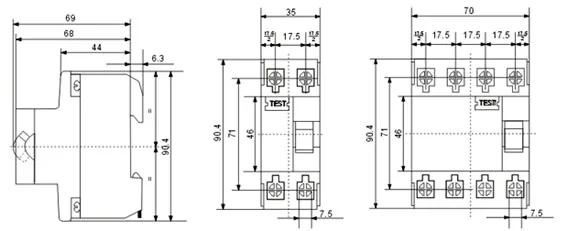
Dimension and Mounting


Frequently asked questions about the FSL1 RCCB

What is the difference between an MCB and an MCCB?

An MCB (miniature circuit breaker) is a DIN-rail device for final circuits, typically rated up to 125 A with a fixed trip curve. An MCCB (moulded case circuit breaker) is a larger device for main and sub-main distribution, usually 16 A to 1600 A, with adjustable thermal and magnetic settings and a higher breaking capacity. Use an MCB for branch circuits and an MCCB where you need adjustability or higher fault ratings.

How do I choose between a Type B, C and D trip curve?

Type B trips between 3 and 5 times rated current and suits resistive loads such as lighting and heaters. Type C trips between 5 and 10 times and is the general-purpose choice for socket circuits and mixed loads. Type D trips between 10 and 20 times and is used for loads with high inrush, such as motors, transformers and large LED drivers.

What does 6 kA breaking capacity mean in practice?

It is the maximum prospective short-circuit current the device can safely interrupt. 6 kA covers most domestic and light commercial installations. Where the transformer is close and the fault level is higher, specify 10 kA devices so the breaker still clears the fault without damage.

Can these devices be supplied with your own brand?

Yes. OEM branding, buyer-specific labels, custom carton print and private-model numbering can be arranged on qualified order volumes.

Related ELCB models

Further reading